


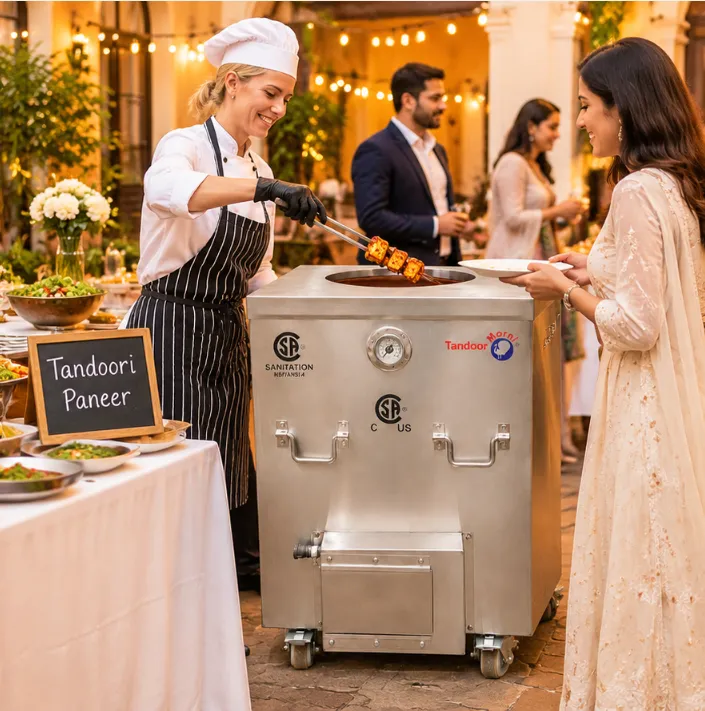
Making restaurant-style tandoori paneer at home is easier when each step is handled with care. The secret is not a long list of spices, but a thick tandoori marinade, firm cubes, steady skewering, and high heat. Tandoori Paneer should have a lightly crisp, smoky outside while staying soft inside. A clay tandoor gives the closest traditional finish, but a grill or oven can also work. With a few simple choices, you can prepare colorful paneer tikka that tastes fresh, balanced, and satisfying for family meals or relaxed weekend gatherings.
Build a Balanced Yogurt Spice Marinade
A good tandoori marinade gives tandoori paneer its color, tang, and flavor without hiding its mild taste. Whisk thick hung yogurt with ginger-garlic paste, Kashmiri chili powder, roasted gram flour, crushed kasuri methi, mustard oil, and salt until smooth. The yogurt helps the spices cling, while gram flour gives the coating body and helps it brown. Keep the mixture thick rather than runny, because excess liquid can drip during cooking and make it harder to develop an even, well-coloured crust on every side of the paneer pieces.
Choose Paneer That Holds Its Shape
Fresh paneer has a soft, creamy center, but very delicate cubes can break when mixed or threaded. Choose a firm block that feels fresh and cut it into even pieces about one inch wide. If the paneer is especially soft, pat it dry and let it rest for around 15 minutes before cutting. This short rest can make handling easier without drying it out. Bell pepper and onion add sweetness and color, so cut them into pieces close to the paneer size for more even cooking.
Marinate Briefly for a Better Texture
Add the paneer and vegetables to the yogurt mixture, then fold them together gently until each piece is coated. Avoid stirring hard, as the corners of soft paneer can crumble. A rest of about 30 minutes is usually enough for the flavors to settle in. Tandoori paneer does not need the long marinating time used for many meat dishes, and a long stay in an acidic yogurt mixture can affect its texture. Keep the bowl covered while it rests, and prepare the skewers and cooking area.
Thread Skewers Without Crushing Ingredients Safely
Flat metal skewers are useful because they grip the tandoori paneer and help the pieces turn together. Thread paneer, pepper, and onion in an alternating pattern, leaving a little space between each piece so hot air can move around them. Do not push the ingredients tightly against one another or force the skewer through the center with pressure. If using wooden skewers for a grill or oven, soak them first according to the package directions. Keep a tray beneath the skewers to catch extra marinade and make cleanup easier.
Create Smoky Char With High Heat
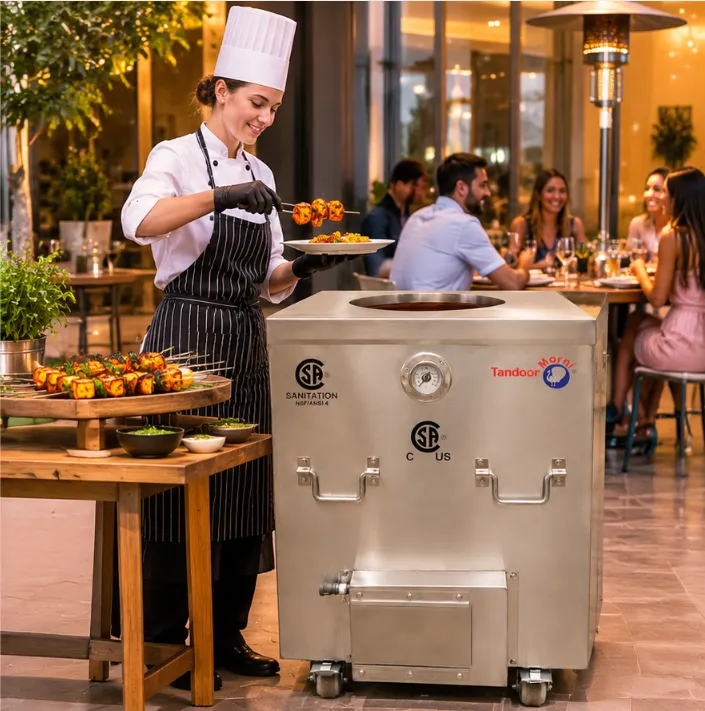
For a traditional tandoor result, preheat the oven until the cooking wall reaches roughly 450 to 475°F. Use a suitable thermometer rather than guessing from the burner time. Place the paneer skewers carefully and cook for about eight to ten minutes, turning once, until the edges show brown spots and light char. Brush with melted butter partway through to add flavor and help the surface stay moist. Tandoori paneer cooks quickly, so watch closely and remove it as soon as the edges are nicely coloured and lightly blistered. Families using home tandoor ovens should follow the manufacturer’s instructions when positioning skewers near the hot clay walls.
Adapt the Method for a Home Oven
Without a tandoor, a hot grill, broiler, or cast-iron grill pan can still produce tasty paneer skewers. Heat the cooking surface well before adding the paneer, then cook close to the heat source and turn the pieces as they color. A home oven usually cannot match the intense radiant heat of a clay tandoor so the char may be lighter and the cooking time can vary. Avoid crowding the tray, and finish with a little butter, lemon juice, and chaat masala for a bright, savory finish.
Serving Ideas That Complete the Platter
Tandoori paneer looks best on a colorful platter. Arrange the skewered pieces with sliced onion rings, lemon wedges and fresh mint, then add a bowl of green chutney for dipping. A sprinkle of chaat masala just before serving brings a pleasant tang.
Paneer tikka also works well beyond the starter plate. Tuck the warm paneer into a paratha or naan with crunchy salad for an easy wrap, or serve it alongside dal and rice for a lighter main course. The mild, creamy paneer balances spicy sides nicely.
For a gathering, cook the paneer skewers in small batches so that guests always receive hot paneer tikka. A little planning keeps the platter fresh from the first bite to the last.
Leftover tandoori paneer can be chopped and stirred into a salad bowl or rolled into a wrap the next day, so nothing goes to waste. Store it covered in the refrigerator and enjoy it within a day or two.
A cooling raita on the side also works well, since the creamy yogurt softens the spice and complements the smoky edges of the paneer.
Common Mistakes to Avoid With Tandoori Paneer
The most common problem is overcooking. Tandoori paneer firms up quickly under strong heat, so remove the skewers as soon as the edges are lightly browned rather than waiting for deep color.
Another mistake is a watery tandoori marinade. If the yogurt is not thick, the coating slides off and the paneer cooks without a good crust. Hang the yogurt for a while first and pat the paneer dry before coating it.
Finally, avoid crowding the skewers. Giving each piece a little room lets hot air reach every side, so the paneer chars instead of steaming. Small adjustments like these make a big difference to the final texture.
Keep the cooking area safe as well. Use long-handled tools, wear heat-resistant gloves and let skewers rest for a moment before sliding the paneer off, because the metal stays very hot. These habits protect you and keep the paneer tikka in neat, attractive pieces.
With practice, you will learn exactly how long your oven or grill needs, and tandoori paneer will become an easy favorite for family dinners and weekend gatherings.
Conclusion
Great tandoori paneer comes down to balance: a thick, well-seasoned tandoori marinade, a short resting time, careful skewering, and a hot cooking surface. Keep the cubes similar in size and watch them closely, since paneer can turn firm if left over the heat for too long. Serve the paneer skewers straight away with mint chutney, lemon, and sliced onion. For more tandoor cooking ideas and equipment guidance, visit tandoormorni.com and explore the recipes that bring traditional clay-oven flavor into home cooking with confidence.