


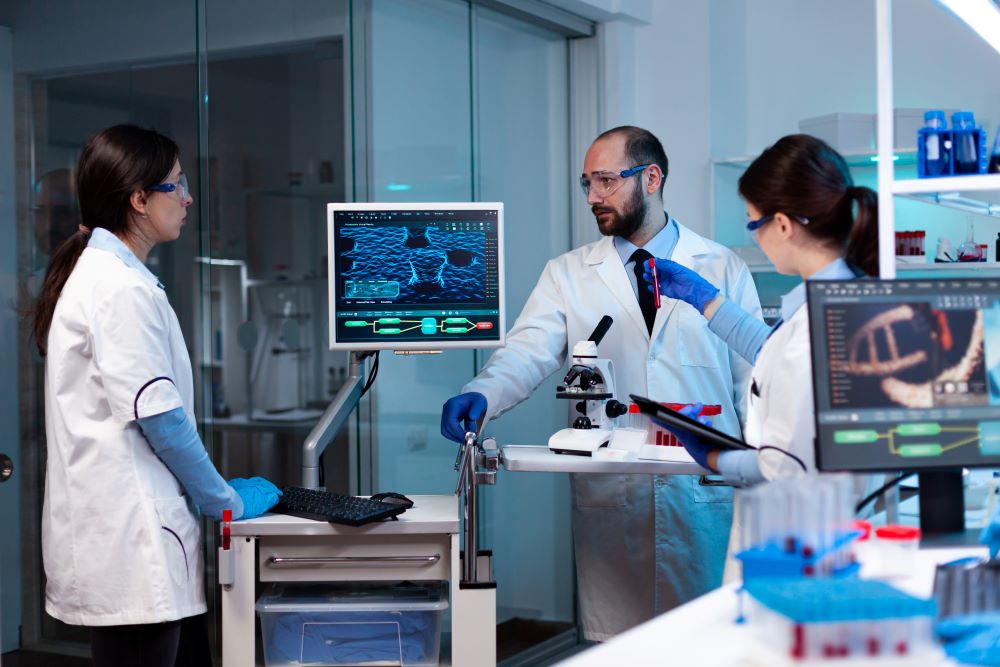
There are many diseases that don’t make the headlines, but can still have a significant impact on those who experience them. While some conditions may seem rare, they are very much real and deserve attention. Here are six uncommon diseases you might not have heard of, including information on how to manage them and what treatments are available.
GlanceShoot | snowberryrose | BrankCosmetics | meansbusinessk | scotchsavvy
1. Necrotizing Fasciitis
Necrotizing fasciitis is a life-threatening bacterial infection that rapidly destroys tissue. It typically starts from a small cut or injury, but spreads quickly, affecting the soft tissue, muscles, and skin. The infection is often caused by bacteria, such as Group A Streptococcus, which releases toxins that kill the tissue. Early symptoms include severe pain, redness, and swelling at the site of infection, followed by fever and chills. Immediate medical attention is crucial, as this condition progresses rapidly. Treatment usually involves surgery to remove dead tissue, along with antibiotics to prevent further spread of the infection. If you suspect this condition, don’t wait to seek help, as the sooner it’s treated, the better the chances of recovery.
Primeautomakers | luxuryescortservies | jetonfly | medwellguide | Autocarmets
2. Foot Wound Infections
While most foot wounds are minor and heal with proper care, some can lead to serious infections that require specialized treatment. Foot wounds can become infected for various reasons, such as diabetes, poor circulation, or even improper footwear. These infections can cause severe pain, swelling, and redness, and, in some cases, lead to systemic symptoms like fever. A foot wound doctor can help identify the severity of the infection and provide the right treatment plan. A foot wound doctor can help identify the severity of the infection and provide the right treatment plan. Professional help ensures the infection is properly managed and prevents complications. Early intervention from a specialist can promote faster healing and reduce the risk of further issues. But for some individuals, especially those with diabetes or other conditions that impair circulation, these wounds can take a long time to heal. Treatment may include debridement (removal of dead tissue), antibiotics, and in some cases, surgery to prevent the infection from spreading.
MedLifeTips | luxuryescortservies | carinnovhub | skyreachdigital | flaremagazine
3. Inpatient Eating Disorder
Eating disorders are often misunderstood, with many unaware of the severe impact they can have on an individual’s physical and mental health. This is usually addressed through implementation of inpatient eating disorder treatment that involves round-the-clock supervision and support, ensuring patients receive the medical attention, nutritional guidance, and emotional care they need in a structured and safe environment. It is often recommended for those whose conditions are life-threatening or require close monitoring to address both physical and psychological aspects of the disorder. It’s a critical step toward recovery, as it provides the support necessary to help individuals work through their challenges in a safe and structured environment.
bitCoinsetter | Cloudbasesite | themanufacturinghubs | theindustrialis | canvaphotos
4. Autoimmune Hepatitis
Autoimmune hepatitis is a rare liver disease in which the body’s immune system attacks liver cells. The cause isn’t entirely understood, but it can lead to chronic liver inflammation and, over time, liver failure. Symptoms can be vague at first, including fatigue, joint pain, and abdominal discomfort, making it difficult to diagnose. In more severe cases, jaundice (yellowing of the skin and eyes) may develop. Treatment typically involves medications to suppress the immune system, such as corticosteroids or immunosuppressive drugs. With early detection and proper management, many individuals can live normal lives, though ongoing monitoring of liver function is necessary.
Casinohubclub | travellingfeed | topstablegames | useyourspeak | BooksOverLooks
5. Stiff-Person Syndrome
Stiff-person syndrome (SPS) is a rare neurological disorder that causes muscle stiffness and spasms. People with SPS experience a gradual increase in muscle stiffness, primarily affecting the torso and limbs. These spasms can be triggered by external stimuli, such as noise or touch, and can lead to significant disability. The exact cause of SPS is unknown, but it is believed to involve an autoimmune reaction, where the body’s immune system attacks its own tissues. Treatment typically includes muscle relaxants, anti-seizure medications, and immune-modulating drugs. In some cases, physical therapy can help improve mobility and reduce the severity of symptoms.
Rajkotupdate | proclassifiedads | CrystalLyre | BetMasteres | EliteEdgeCasino
6. Erdheim-Chester Disease
Erdheim-Chester disease (ECD) is an extremely rare form of non-Langerhans cell histiocytosis, a condition where the body produces an excess of immune cells. These cells accumulate in organs and tissues, leading to inflammation and damage. ECD most commonly affects the long bones, skin, and organs, such as the heart, kidneys, and lungs. Symptoms can include bone pain, fatigue, and shortness of breath. Diagnosis often requires advanced imaging techniques and biopsy to confirm the presence of these abnormal cells. While there is no known cure for ECD, treatment can involve chemotherapy, targeted therapies, and steroids to manage symptoms and slow the progression of the disease.
Bizessencezone | biztrendznow | successhubz | autohavendeals | primesnapbiz
Understanding rare diseases is crucial in promoting awareness and offering better support for those affected. While many of these conditions are uncommon, they can have a profound impact on health and quality of life. If you or someone you know is struggling with one of these diseases, seeking medical advice and treatment early can help improve outcomes.
masculinedrive | dreamvestr | MyNoteBiz | liveasabrand | ehippofund
