


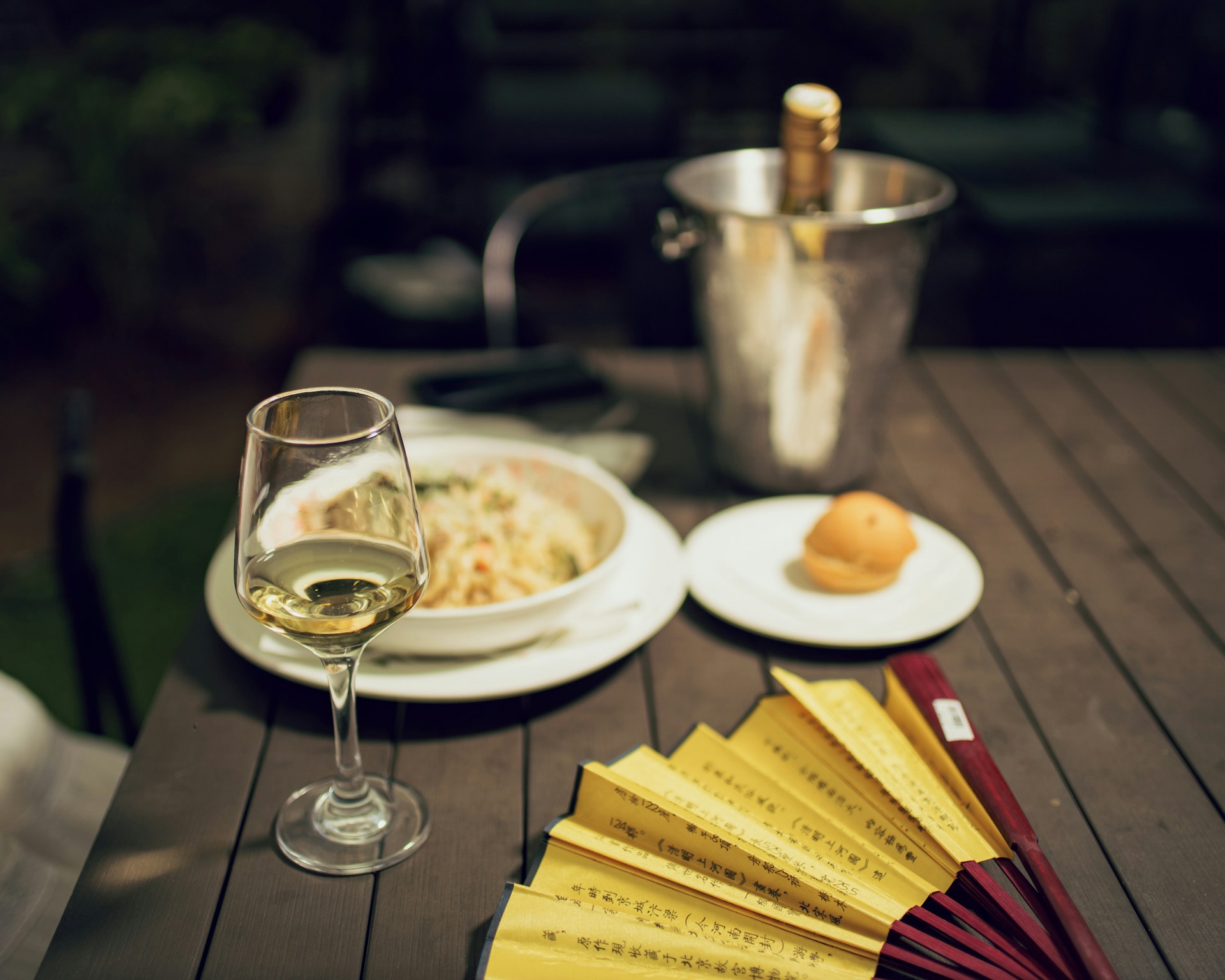
Champagne has always been associated with celebration, but its role in modern dining has evolved far beyond the pop of a cork. Today, it is no longer just a drink poured at the beginning of a meal or raised in a toast. Champagne has become a central element of the experience itself, shaping mood, rhythm, and memory at the table.
As gastronomy shifts toward immersive, story-driven moments, Champagne fits naturally into this transformation. Its versatility, symbolism, and sensory complexity allow it to move fluidly between courses, settings, and emotions. What was once ceremonial is now experiential.
From ritual to narrative at the table
For decades, Champagne followed a predictable script: aperitif, celebration, conclusion. That script is being rewritten. Chefs and sommeliers now treat Champagne as a narrative thread that runs through an entire dining experience, not just a single moment.
Diners are increasingly guided toward a premium selection of french champagnes on this page as a way to explore how different styles influence atmosphere and taste throughout a meal. The wine is no longer an accessory. It becomes a companion to the story being told.
This approach reflects a broader cultural shift. Modern diners seek coherence. They want each element, from lighting to plating to wine, to feel intentional. Champagne, with its range of expressions, offers that flexibility.
Why champagne enhances the dining experience
Texture, timing, and emotion
Champagne engages more than the palate. Its effervescence creates texture, its acidity sharpens perception, and its aromas trigger memory. These qualities make it uniquely suited to experiential dining.
Unlike still wines, Champagne refreshes continuously. Each sip resets the palate, allowing dishes to be experienced with clarity from the first bite to the last. This is especially valuable in tasting menus, where fatigue can dull flavors over time.
Emotion also plays a role. Champagne signals attention and care. When served thoughtfully, it elevates a moment without announcing itself too loudly.
How restaurants are using champagne differently
In contemporary gastronomy, Champagne appears in unexpected places. It may open a meal, reappear mid-course, or even accompany dessert. The goal is not luxury for its own sake, but flow.
Some of the most common modern approaches include:
- pairing different Champagne styles with multiple courses
- offering Champagne by the glass throughout the meal
- using vintage and non-vintage expressions to shape pacing
- introducing grower Champagnes alongside iconic houses
These choices invite guests to engage rather than observe. Champagne becomes something to explore, not simply admire.
Champagne beyond fine dining
This experiential shift is not limited to Michelin-starred restaurants. Wine bars, boutique hotels, and even casual dining spaces now integrate Champagne into their identity. Brunch menus feature it as a culinary match, not a novelty. Small plates are designed around its structure.
At home, this mindset is gaining traction as well. Consumers are more confident experimenting with Champagne across meals, discovering that it pairs naturally with seafood, vegetables, and even comfort food.
The cultural power of champagne
Champagne carries cultural weight unlike any other wine. It represents craftsmanship, place, and time. When used as part of an experience, it connects diners to something larger than the meal itself.
This is why Champagne works so well in experiential gastronomy. It brings context without explanation. A glass poured at the right moment can shift energy, mark transition, or create pause. Few beverages offer that range.
More than a glass, a moment
When Champagne becomes part of the experience, it transcends its role as a drink. It shapes how food is perceived, how moments unfold, and how memories are formed. In a dining world increasingly focused on intention and emotion, Champagne proves that true luxury lies not in excess, but in meaning.
Frequently asked questions
Why is champagne considered experiential?
Champagne engages multiple senses at once. Its texture, aroma, and symbolism contribute to atmosphere and emotion, making it more than just a pairing.
Can champagne replace wine pairings in a full meal?
Yes. Many restaurants successfully build entire menus around Champagne, using different styles to match courses and pacing.
Is champagne only suitable for special occasions?
Not anymore. Champagne is increasingly enjoyed with everyday meals, especially when food focuses on freshness and balance.
What styles of champagne work best with food?
Brut and Blanc de Blancs are particularly food-friendly due to their acidity and structure, but rosé and vintage styles also play important roles.
How can diners recreate this experience at home?
By serving Champagne throughout a meal, experimenting with pairings, and focusing on timing rather than formality.
