The evolution of construction materials over the last few decades has transformed the architectural landscape, impacting everything from design to sustainability. As modern construction continues to develop, materials like steel, composites, and advanced polymers are gaining popularity for their durability, efficiency, and minimal environmental impact. In this article, we dive into the revolution of construction materials and how they are reshaping the future of building design.
The Evolution of Construction Materials
Traditionally, construction materials have been dominated by wood, brick, and concrete. These materials have been widely used due to their availability and historical success; however, as the demand for sustainable and energy-efficient buildings has grown, so has the need for innovation in material science. Modern construction materials are not only redefining the capabilities of construction but are also heavily influencing architectural design and energy consumption.
Steel: The Backbone of Modern Architecture
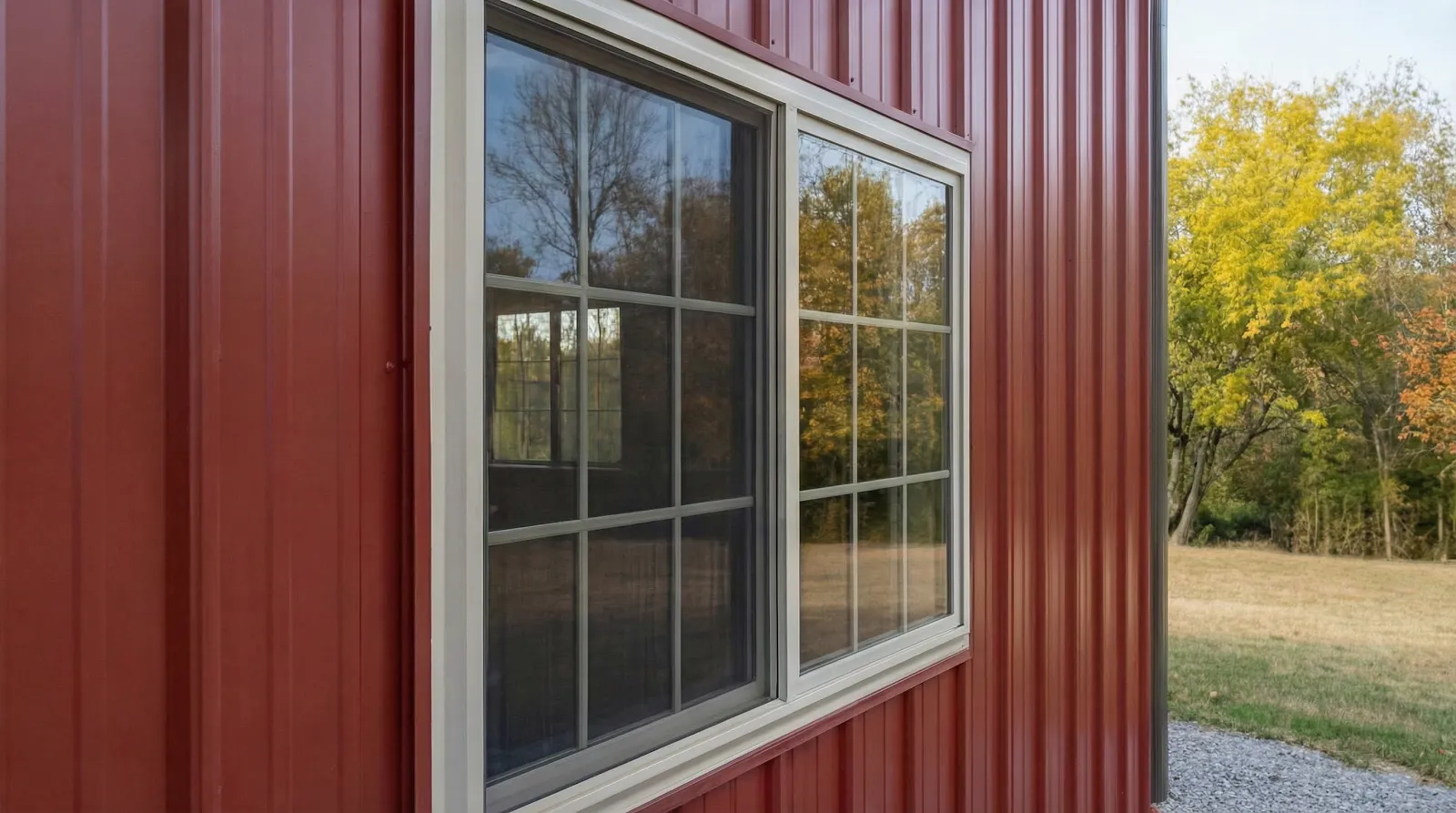
Steel has emerged as one of the most critical components in the modern construction industry. Its unmatched strength-to-weight ratio, recyclability, and versatility make it an ideal choice for a variety of building applications. Did you know that it is now possible to create eco-friendly and highly durable structures with steel? With steel buildings, it is possible to create elaborate designs without compromising structural integrity.
In the Canadian construction landscape, the use of steel has seen a significant increase, especially when it comes to specialized structures like workshops and storage units. Kits like the 30 x 40 shop are particularly popular due to their affordability and ease of assembly. These prefabricated steel buildings not only offer robustness but also significantly cut down on construction time, providing a quick and efficient solution for various building needs.
Composites and Advanced Polymers: Breaking New Ground
As construction projects become more ambitious and varied, the demand for lightweight and versatile materials is on the rise. Composites, which combine two or more materials to achieve superior properties, and advanced polymers are being increasingly used in construction. These materials offer exceptional resistance to weather and temperature changes, making them a perfect choice for Canadian climates where conditions can be extreme.
Moreover, composites are crucial in enhancing the sustainability of construction projects. By using composites, architects and builders can create structures that are both strong and lightweight, reducing the need for heavy support structures, which in turn minimizes their environmental footprint.
The Influence of Modern Materials on Architectural Design
Modern construction materials are revolutionizing architectural design by allowing architects to push the boundaries of what is possible. With materials that provide greater flexibility and strength, design professionals are free to explore more complex and innovative forms. This has led to a surge in unique building designs around the world.
Furthermore, materials like steel allow for larger open spaces without the need for numerous columns or supports, which is bustling in both residential and commercial designs. This capability aligns perfectly with Canada’s growing trend of creating open, airy spaces that are both functional and aesthetically appealing.
Sustainability: The Green Building Revolution
One of the primary drivers behind the rise of modern construction materials is the push towards sustainable building practices. As global awareness of the environmental impact of construction grows, there’s an increasing emphasis on finding materials that contribute to energy efficiency and lower carbon emissions.
Steel is leading the charge in this green building revolution. Its recyclability means that the material can be reused multiple times without degradation of its properties. This has huge implications for sustainability, as it reduces the need for new resources and minimizes waste. The integration of energy-efficient tech and renewable energy systems in steel structures further enhances their green credentials.
For organizations like Your Building Team, using modern materials is not just a trend but a commitment to environmental responsibility. They continually innovate by offering building solutions that meet the demands of eco-conscious builders and architects, ensuring that their products contribute to a more sustainable future.
Challenges and Future Prospects
Despite the numerous advantages, the adoption of modern construction materials is not without challenges. Cost can still be a prohibitive factor, especially for high-performance composites and advanced polymers. Additionally, there is a learning curve associated with using new materials, as construction teams need to be trained in specialized installation techniques.
However, as the industry becomes increasingly familiar with these materials and technology improves, the costs are expected to decrease. The key to overcoming these challenges lies in consistent innovation and investment in research and development. Canada’s focus on building a sustainable future places it in an ideal position to lead this advancement in the global construction sector.
The future of construction is certainly promising. As we learn to harness the full potential of modern materials, the possibilities for construction projects will become virtually limitless. With the drive towards increased efficiency and sustainability, expect to see more cutting-edge designs embraced by the Canadian market.
Conclusion: Embrace the Change
The rise of modern construction materials signifies a key shift in the way we approach building. With the accelerated growth towards sustainability and efficiency, materials like steel, composites, and advanced polymers are at the forefront of architectural breakthroughs. Integrating these materials into design not only addresses modern-day environmental challenges but also expands the creative latitude for architects and builders.
As the architectural landscape continues to evolve, teams like Your Building Team are at the cutting edge, providing innovative solutions that incorporate these advanced materials to meet varied construction needs, whether it’s a simple 30 x 40 shop or a more complex architectural masterpiece. Embrace the change, and build a future that is not just about fulfilling today’s needs but preserving tomorrow’s resources.