


Walk into any hospital or clinic, and you’ll see it right away — care depends on equipment. Adjustable beds, oxygen tanks, wheelchairs, and even the IV drip setups are humming quietly in the background. These aren’t just tools. They’re lifelines. And behind them are durable medical equipment (DME) companies making sure everything works, arrives on time, and fits the needs of each facility.
They’re not just vendors dropping off gear. They’re partners helping healthcare teams deliver care without missing a beat.
Supply Chain Reliability
According to Davis et al. (2025), Durable Medical Equipment (DME) refers to physician-prescribed devices that help individuals with disabilities, injuries, or chronic conditions perform daily tasks and maintain independence. Medicare defines DME as equipment built for repeated use, lasting at least three years, serving a medical purpose, and not useful to those without medical need. Examples include wheelchairs, walkers, hospital beds, and patient lifts.
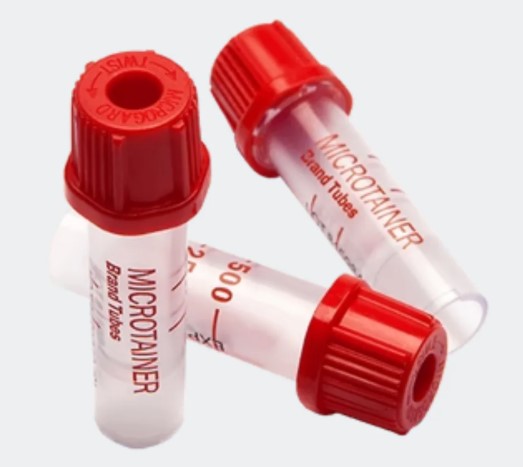
In healthcare, timing is everything. When facilities need oxygen concentrators or blood test equipment, delays aren’t an option. That’s why reliable DME providers like AOSS Medical Supply ensure timely delivery — no excuses. From surgical kits to IV accessories, having the right equipment on hand keeps care seamless and patients supported.
Wide Range of Products
DME covers a lot more than wheelchairs. Think hospital beds, mobility aids, oxygen systems, and even clinical lab tools. The best suppliers know that every facility is different. A rehab center might need more walkers, while a surgical unit leans on sterile instruments and custom setups.
AOSS Medical Supply, for example, doesn’t just ship boxes. They help facilities stock what they actually use — not what’ll sit untouched in a closet.
Maintenance and Technical Support
Things break. It’s just part of the job. But in a hospital, broken equipment isn’t just annoying — it can be risky. That’s why solid DME companies offer repairs, replacements, and tech support that’s actually helpful.
Whether it’s recalibrating blood test equipment or fixing a motor on a hospital bed, having backup keeps things safe and running smoothly.
Compliance and Safety Standards
Healthcare is full of rules, and for good reason. DME companies must ensure that every product meets the standards set by agencies such as the FDA and CMS. It’s not glamorous, but it’s what keeps facilities out of trouble and patients out of harm’s way.
Companies like AOSS handle the paperwork and testing, allowing healthcare teams to focus on what they do best — caring for people.
Cost-Effectiveness and Insurance Partnerships
Budgets are tight. Not every facility can afford to buy new equipment outright. That’s where DME companies step in with rental options, insurance coordination, and flexible solutions that don’t blow the budget.
For patients, this can mean getting the right gear at home — like a hospital bed or IV drip stand — without jumping through hoops or facing huge bills.
Training and Education
Getting new equipment is great. But if staff don’t know how to use it, it’s just taking up space. Many DME companies offer training that’s actually useful — not just a manual tossed in a box.
Whether it’s learning how to operate a new oxygen system or setting up an IV drip station correctly, proper training leads to better care and fewer mistakes.
Conclusion
The responsibilities of a durable medical equipment company are many and varied: it delivers more than just supplies; it makes healthcare facilities safe and ensures that they are prepared for anything. We’re part of the team, from keeping the medicine coming to transferring our hands-on learning right where it’s needed. As part of a facility’s well-oiled machine, specialists all focus on logistics so that administrators can concentrate mostly on patient care while still using AOSS Medical Supply as their trusted partner.
FAQs
1. How can I find medical equipment companies that ship nationwide?
Quite a few companies deliver all over the country. Coverage might vary by product line, so it is best to check directly with the company.
2. What advantages do medical equipment companies bring to patients?
With this equipment on hand, patients have access to devices that make life easier and facilitate recovery — things like home oxygen systems, wheelchairs, or adjustable beds. Many companies also go out of their way to help with insurance claims, and so cut costs.
3. What services do durable medical equipment companies provide? Most offer more than just sales. Expect rentals, repairs, delivery, tech support, and training for staff or caregivers.
4. Who are the leading medical-equipment suppliers in America? The names of these suppliers — McKesson, Cardinal Health, Apria Healthcare, and AOSS Medical Supply — are mentioned quite often. The right fit depends on your facility size, area of focus, and location.
5. How do durable medical equipment companies ensure product quality? They follow strict FDA and CMS guidelines, work with trusted manufacturers, and test equipment before it reaches the facility. That attention to detail helps keep care consistent and safe.