


Cosmetic procedures have evolved dramatically over recent decades, offering people more options than ever to address both medical and aesthetic concerns about their appearance. Whether someone is considering a procedure for reconstructive purposes following an illness, to correct a condition they’ve lived with since birth, or simply to feel more comfortable in their own skin, the range of available treatments continues to expand.
The decision to pursue any cosmetic procedure is deeply personal and deserves careful consideration based on accurate information rather than assumptions or misconceptions. This article explores various cosmetic procedures, what they involve, where they’re performed, and what people should understand before making decisions about their own care.
Facial Rejuvenation Procedures
Facelift surgery addresses sagging skin and deep wrinkles by repositioning underlying facial tissues and removing excess skin through incisions typically hidden along the hairline and around the ears. The procedure is performed under general anesthesia and results develop gradually as swelling subsides over several months.
Surgeons who specialize in facial plastic surgery or general plastic surgery typically perform these operations in accredited surgical facilities. The procedure has evolved to include various techniques targeting specific areas like the neck or mid-face depending on individual concerns.
Body Contouring After Weight Changes
Significant weight loss often leaves excess skin that doesn’t retract even with exercise, leading some people to consider body contouring procedures. These surgeries remove redundant skin from areas like the abdomen, arms, thighs, and back through incisions that leave permanent scars in locations chosen to be as discreet as possible.
Many plastic surgeons recommend waiting until weight has stabilized for at least several months before pursuing these procedures. The operations are substantial undertakings that may be performed in stages to reduce surgical time and recovery burden.
Breast Augmentation Plastic Surgery
This surgical procedure increases breast size through the placement of implants filled with either saline solution or silicone gel material. Surgeons make incisions in locations such as under the breast, around the areola, or in the armpit to create a pocket for the implant either behind the breast tissue or beneath the chest muscle.
The surgery is performed under general anesthesia in surgical centers, such as Sandeen and Lee Plastic Surgery, as well as hospitals, by board-certified plastic surgeons. Results are immediately visible, though final appearance develops as swelling resolves and tissues settle into their new configuration over several months.
Breast Reduction Surgery
This procedure removes breast tissue, fat, and skin to reduce breast size and alleviate physical discomfort associated with disproportionately large breasts. Many people seek this surgery to address chronic back pain, shoulder grooving from bra straps, skin irritation, or difficulty finding clothing that fits properly.
Plastic surgeons perform the operation in hospital or surgical center settings under general anesthesia. The procedure involves repositioning the nipple and reshaping the remaining breast tissue into a smaller, lifted contour.
Injectable Treatments for Volume and Lines
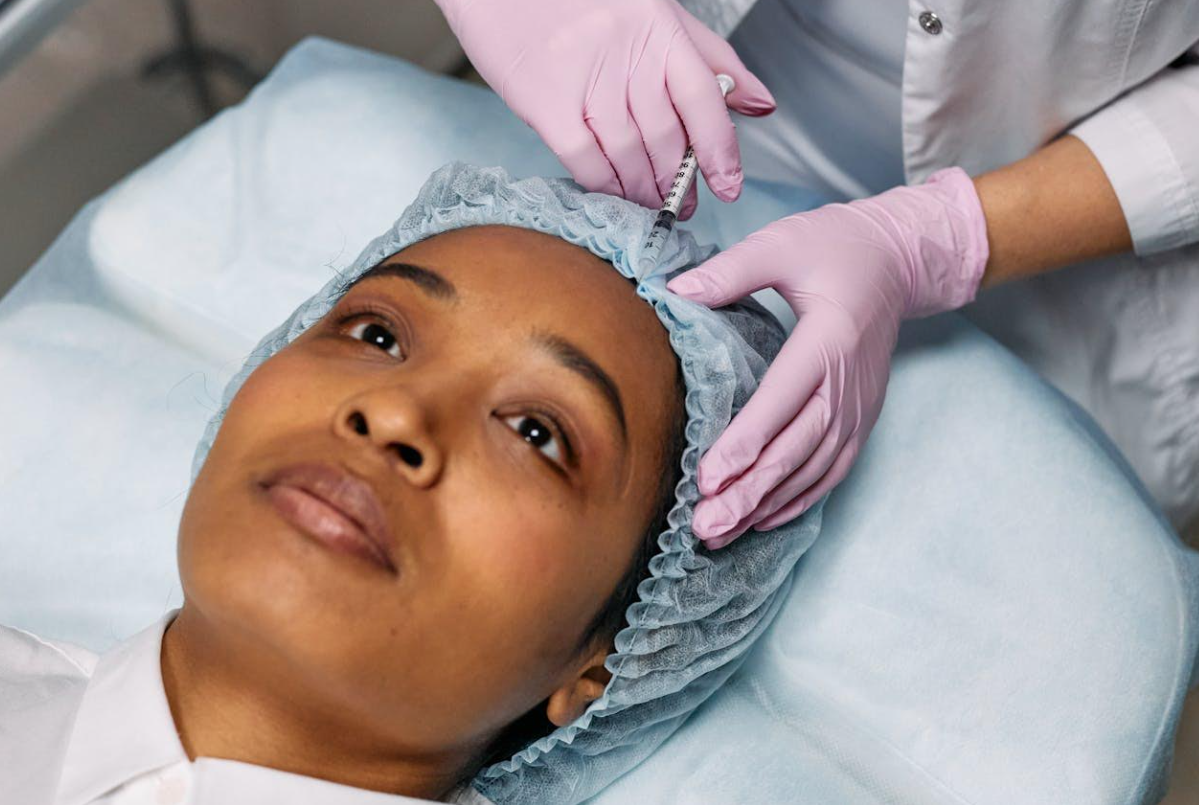
Dermal fillers are injectable, gel-like substances used to revitalize the face by restoring lost volume, smoothing out wrinkles, and improving facial contours. The effects of these products, which are composed of various materials, can last from several months up to more than a year before the body naturally absorbs them.
Administered in an office setting by qualified medical professionals—such as dermatologists and plastic surgeons—the procedure typically requires only a topical numbing cream, eliminating the need for general anesthesia. Popular areas for filler application include the lips, cheeks, nasolabial folds (lines from the nose to the mouth), and the under-eye hollows.
Neurotoxin Injections for Dynamic Wrinkles
These injections temporarily relax specific facial muscles that create wrinkles during expressions like frowning or squinting. The treatment involves multiple small injections in targeted areas with results appearing gradually over several days and lasting several months before muscle activity gradually returns.
Medical professionals including dermatologists, plastic surgeons, and trained physicians, offer these treatments in office-based settings. The procedure requires no recovery tim,e though temporary bruising or swelling at injection sites may occur.
Rhinoplasty and Nasal Surgery
Nose surgery alters the shape, size, or function of the nose through incisions made inside the nostrils or across the columella (the tissue between the nostrils). Surgeons may reshape nasal bones and cartilage to address cosmetic concerns or improve breathing problems caused by structural abnormalities.
Board-certified plastic surgeons or otolaryngologists (ear, nose, and throat specialists) with facial plastic surgery training perform these procedures in hospital or surgical center environments. Swelling can persist for many months with final results becoming apparent up to a year or more after surgery.
Making informed decisions about cosmetic procedures requires understanding both the medical aspects and the personal implications of these treatments. Each procedure carries its own set of considerations including recovery requirements, potential risks, and realistic outcome expectations that vary significantly from one individual to another. Consulting with qualified, board-certified medical professionals provides personalized information that generic resources cannot offer.
Taking time to research credentials, ask questions, and carefully consider motivations and expectations helps people approach these decisions thoughtfully. Whether someone ultimately chooses to pursue a cosmetic procedure or decides against it, having comprehensive information empowers them to make choices aligned with their personal healthcare goals and values.