


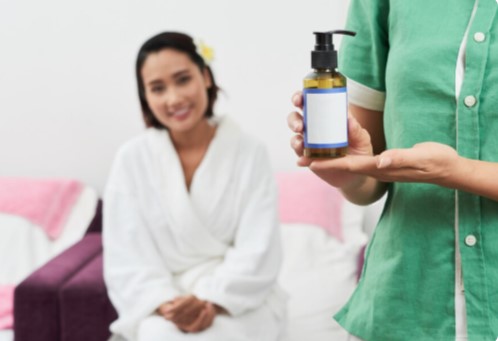
Entering the competitive world of wellness and cosmetics requires more than just a superior formula; it requires a visual identity that commands attention on a crowded shelf. Your packaging is often the first point of physical contact a consumer has with your brand.
Selecting the right custom health and beauty product labels involves balancing aesthetics, durability, and legal compliance to ensure your product resonates with your target audience while maintaining its integrity over time.
1. Durability and Material Selection
Health and beauty products are frequently exposed to environments that can degrade standard paper. Items like shampoos, facial oils, or hand creams often come into contact with water, high humidity, and oily residues.
When sourcing custom health and beauty product labels, it is essential to choose materials like film or vinyl that are resistant to moisture and smudging.
A waterproof laminate or a synthetic substrate ensures that your branding remains legible and attractive from the first use until the container is empty.
2. Regulatory Compliance and Legibility
The beauty industry is strictly regulated to protect consumer safety. Labels must provide enough space for mandatory information, including ingredient lists, net weight, usage instructions, and manufacturer details.
It is crucial that the font size remains readable even on small containers like lip balm tubes or essential oil bottles. Failure to include accurate warnings or expiration dates can lead to legal complications and a loss of consumer trust.
3. Visual Branding and Aesthetic Appeal
Your label is a silent salesperson. The colors, typography, and finish you select should instantly communicate the personality of your brand, whether it is luxury, organic, or clinical.
Many brands now opt for custom health and beauty product labels with tactile finishes, such as soft-touch matte, spot UV, or metallic foils, to create a premium feel.
Consistency in these design elements across your entire product line helps build brand recognition and encourages repeat purchases.
4. Adhesive Strength for Diverse Packaging
Not all adhesives are created equal. The effectiveness of a label depends heavily on the surface energy of the container, whether it is glass, plastic, or aluminum. For curved surfaces like small jars or bottles, you need an aggressive adhesive that prevents winging, where the edges of the label begin to peel away.
Testing your labels on the actual packaging material under various temperature conditions is a vital step in the procurement process.
5. Sustainability and Eco-Friendly Options
Modern consumers are increasingly conscious of their environmental footprint and prefer brands that reflect these values. You might consider using FSC-certified paper, recycled content, or compostable films for your custom health and beauty product labels.
Choosing eco-friendly inks and thin liners can also reduce waste. Aligning your labeling choices with sustainable practices can significantly enhance your brand’s reputation among eco-conscious demographics.
6. Application Method and Efficiency
Whether you are applying labels by hand in small batches or using high-speed automated machinery, the format of your labels matters. Labels provided on rolls are typically required for machine application, while sheet labels may suffice for artisanal production.
Understanding the unwind direction and the gap between labels is necessary for a seamless manufacturing process, ensuring that every bottle is finished with precision and without bubbles or misalignment.