


Large facilities consume massive amounts of energy every day. Warehouses, hospitals, malls, and factories all depend on stable indoor temperatures. Even slight inefficiencies can lead to high costs. That is why energy-efficient temperature control has become essential. It is not just about comfort. It directly affects operational expenses and sustainability goals. Smart planning and modern systems make a noticeable difference.
Smart Design With Air Conditioning System
An air conditioning system is a network of equipment designed to regulate indoor temperature, humidity, and air quality. In large facilities, this system must handle diverse zones with different needs. A well-designed setup uses zoning techniques. It directs cooling only where required. This reduces energy waste and improves performance.
Modern designs also include variable speed compressors. These adjust output based on demand instead of running at full capacity all the time. That simple shift saves significant energy over months. The smarter the design, the lower the long-term cost. Efficient planning starts with the right air conditioning system.
Preventive Commercial HVAC Maintenance Strategies
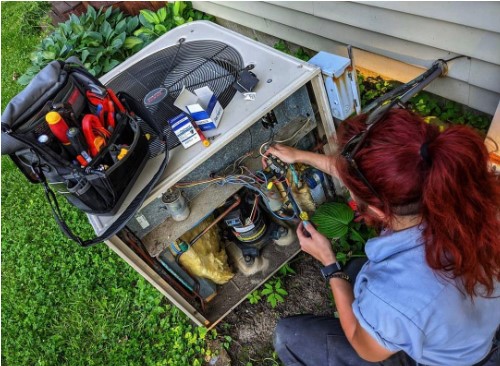
Commercial HVAC maintenance refers to routine inspection, servicing, and optimization of heating, ventilation, and cooling systems in large buildings. Preventive care avoids sudden breakdowns. It keeps systems running at peak efficiency.
Filters need regular cleaning. Coils must remain dust-free. Small issues like leaks or worn belts can escalate if ignored. Scheduled maintenance ensures consistent airflow and temperature stability. Over time, this reduces energy consumption and extends equipment life. Consistency in servicing defines effective commercial HVAC maintenance.
Energy Monitoring In Air Conditioning System Operations
Energy monitoring tools track performance in real time. They highlight inefficiencies quickly. In large facilities, even a small inefficiency can multiply across multiple units.
Sensors and smart meters collect data continuously. Facility managers can identify patterns. For example, they may notice excessive cooling during low occupancy hours. Adjustments can then be made instantly. Data-driven decisions improve control and cut unnecessary costs. This level of insight enhances every air conditioning system.
Automation And Commercial HVAC Maintenance Integration
Automation is transforming facility management. When combined with commercial HVAC maintenance, it creates a powerful system. Automated controls adjust temperature based on occupancy and external weather.
Smart thermostats and building management systems play a key role. They ensure systems operate only when needed. Maintenance alerts are also automated. This prevents delays in servicing. The integration of automation improves efficiency while reducing manual workload. Modern buildings depend heavily on automated commercial HVAC maintenance.
Insulation And Airflow Optimization Techniques
Efficient temperature control is not only about machines. The building structure also matters. Proper insulation reduces heat transfer. It keeps indoor conditions stable for longer periods.
Airflow design is equally important. Poor duct layouts create uneven cooling. Some areas become too cold while others remain warm. Balanced airflow ensures uniform temperature distribution. Sealing leaks in ducts further improves efficiency. These adjustments reduce strain on cooling systems and lower energy usage.
Renewable Energy And Cooling Efficiency
Sustainable energy sources are becoming common in large facilities. Solar panels can support cooling operations. This reduces dependency on traditional power sources.
Hybrid systems combine renewable energy with conventional setups. They provide consistent performance even during peak demand. Energy-efficient cooling aligned with renewable sources creates long-term savings. It also helps organizations meet environmental targets without compromising comfort.
Conclusion
Energy-efficient temperature control in large facilities requires a strategic approach. It combines smart system design, regular maintenance, and modern technology. Every component plays a role, from insulation to automation. Small improvements lead to significant results over time. Facilities that invest in efficiency gain lower costs, better performance, and a more sustainable future.